
For many families, there comes a time when an aging parent decides—or is advised—to stop driving. While this decision is often made with safety in mind, it can also bring new challenges for both seniors and their loved ones.
For older adults, giving up the keys can feel like a loss of independence. For caregivers, it can mean juggling schedules, coordinating rides, and worrying about how their parent will get to important appointments or everyday errands.
The good news? Losing the ability to drive doesn’t have to mean losing independence.
The Emotional Impact of Giving Up Driving
Driving represents freedom. It’s the ability to go where you want, when you want. When that changes, it can lead to feelings of isolation, frustration, or even depression.
That’s why it’s so important to have a plan in place—one that supports independence while ensuring safety.
The Caregiver Balancing Act
For many caregivers, especially those in the “sandwich generation,” coordinating transportation can quickly become overwhelming.
Between work, children, and other responsibilities, adding multiple weekly trips for doctor’s appointments, grocery runs, social outings, and more can strain even the most organized schedule.
Take Melissa, for example. She manages a full-time job while helping coordinate care for her 79-year-old father. At first, she tried to handle all his transportation needs herself.
“I felt like I was constantly rearranging my day,” she says. “If he had an appointment in the middle of the afternoon, I’d have to leave work early or ask someone else to step in.”
That’s when she discovered Wanda.
A Better Way to Stay Independent
With Wanda, seniors can schedule reliable rides for everyday needs, without having to rely solely on family or friends.
Melissa now helps her father book rides to his weekly physical therapy sessions, monthly checkups, and even his regular breakfast outings with friends.
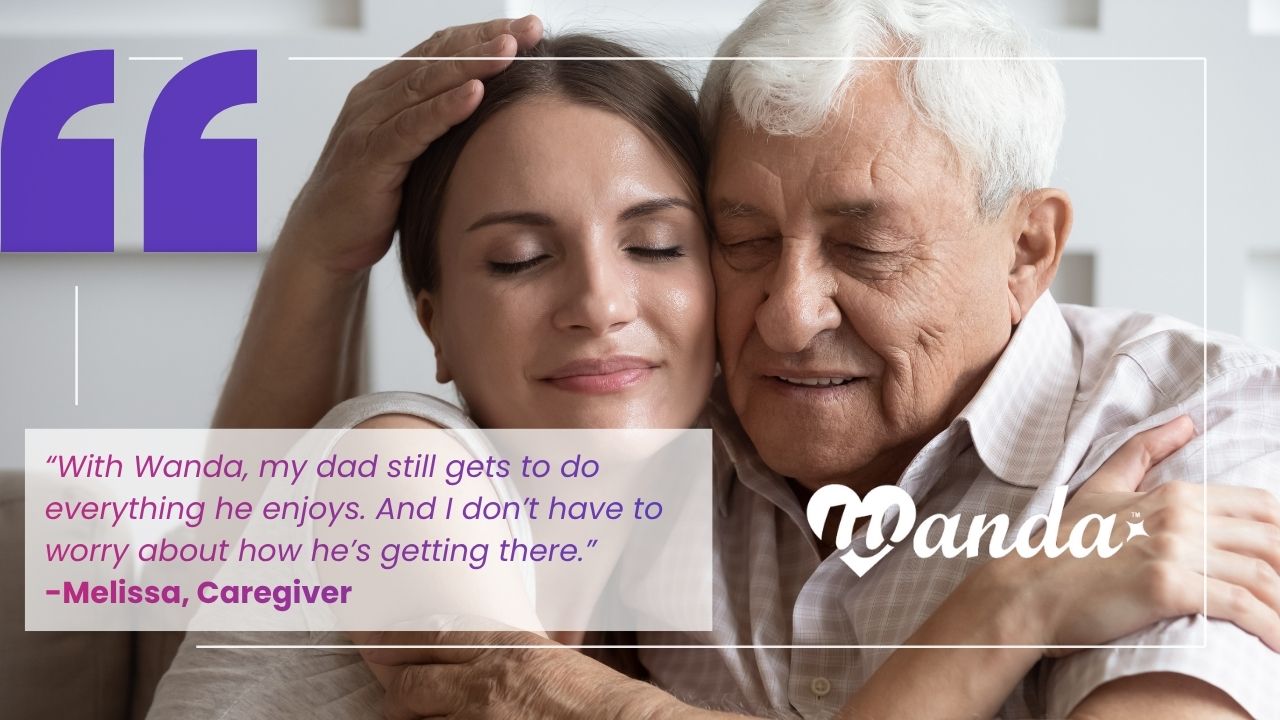
“He still gets to do everything he enjoys,” she says. “And I don’t have to worry about how he’s getting there.”
Real Independence, Real Peace of Mind
Families across the country are finding that transportation solutions like Wanda provide benefits for everyone involved.
Seniors can maintain independence and routine, stay socially connected, and access essential healthcare and services. Caregivers benefit from reduced scheduling stress, peace of mind knowing their loved one’s rides are reliable, and more focus on quality time instead of logistics.
Starting the Conversation
If you’re helping a parent transition away from driving, here are a few tips:
- Start Early: Talk about transportation options before it becomes urgent.
- Focus on Independence: Frame the conversation around maintaining freedom, not losing it.
- Explore Options Together: Involve your parent in choosing what works best for them.
- Build a Routine: Schedule regular rides for recurring activities.
Let Wanda Help You Navigate the Journey
Adjusting to life without driving is a big transition, but it doesn’t have to be a limiting one. With Wanda, seniors can continue living life on their terms, and caregivers can feel confident their loved ones are supported every step of the way.
Because independence isn’t about driving—it’s about having the freedom to keep going.
Book your loved one’s next ride with Wanda! Create an account to manage rides online or call 855-735-1222.